
Digital ID and the Emerging Control Grid
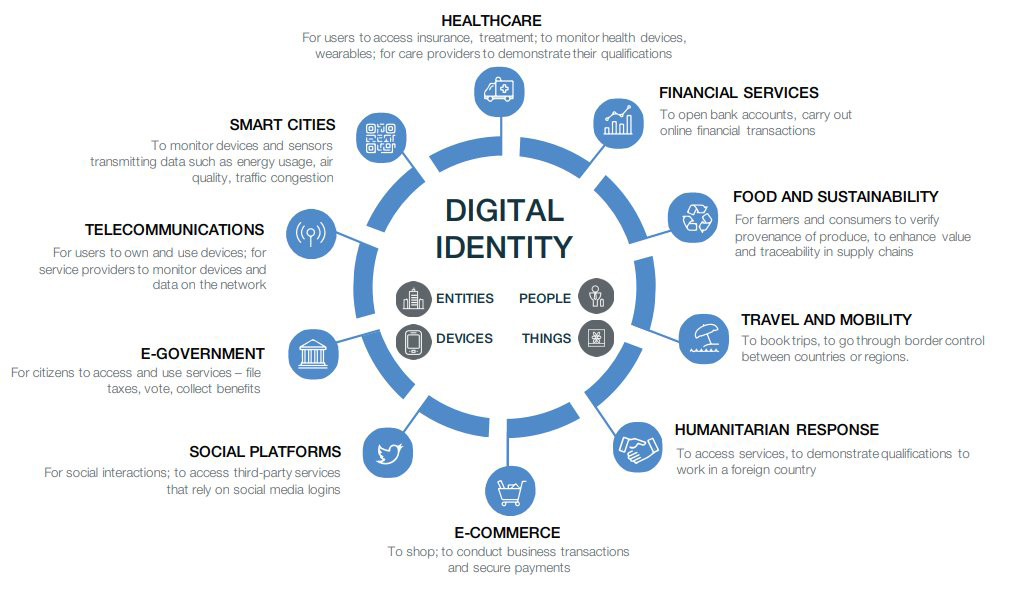
Around the world, governments and corporations are racing to roll out digital IDs — secure, scannable credentials that tie your physical identity to your digital life. In Missouri, pieces of that same puzzle are quietly falling into place.
What is a digital ID?
A digital ID is more than a plastic card. It can combine:
- Government-issued identity (Real ID, driver’s license, mobile ID apps).
- Biometrics (face scans, fingerprints, voice).
- Verified attributes (employment, licenses, vaccination status, benefits eligibility, etc.).
The promise is convenience and security. The danger is that the same ID becomes the gatekeeper for everything: banking, travel, voting, health care, schooling, and even your ability to use the internet.
How Missouri is building the pieces
In our broader surveillance-state research, we’ve identified several Missouri policies and programs that align with the global push toward integrated identity:
- Real ID compliance for travel and federal facilities.
- Digital payment rails (like FedNow) that can attach identity to every transaction.
- Law-enforcement data systems that tag people, locations, and vehicles in shared databases.
- State data hubs that link health, education, and criminal-justice records by person.
From identity to control
On paper, each system has its own purpose. But once everything is tied to a single digital identity, it becomes technically simple to:
- Track where you go and what you buy.
- Score your behavior (social-credit style) based on “approved” or “unapproved” activities.
- Throttle access to payments, services, or travel for those who don’t comply.
That’s the heart of the concern: what’s built today for “convenience” can be used tomorrow for coercion.
Guardrails Missouri should consider
To protect liberty while technology advances, Missouri can:
- Ban mandatory digital IDs
- Prohibit tying speech, association, or political activity to financial access or government services.
- Require strict limits and transparency on how ID-linked data can be shared or used citizens.
- Guarantee usable offline alternatives for those who decline digital credentials.
This article is the part of our special research report on the growing surveillance state: other pages in this series show how FedNow, police tech, school-choice programs, and data hubs can all snap into a digital-ID-driven control grid if we don’t insist on firm constitutional guardrails now.