
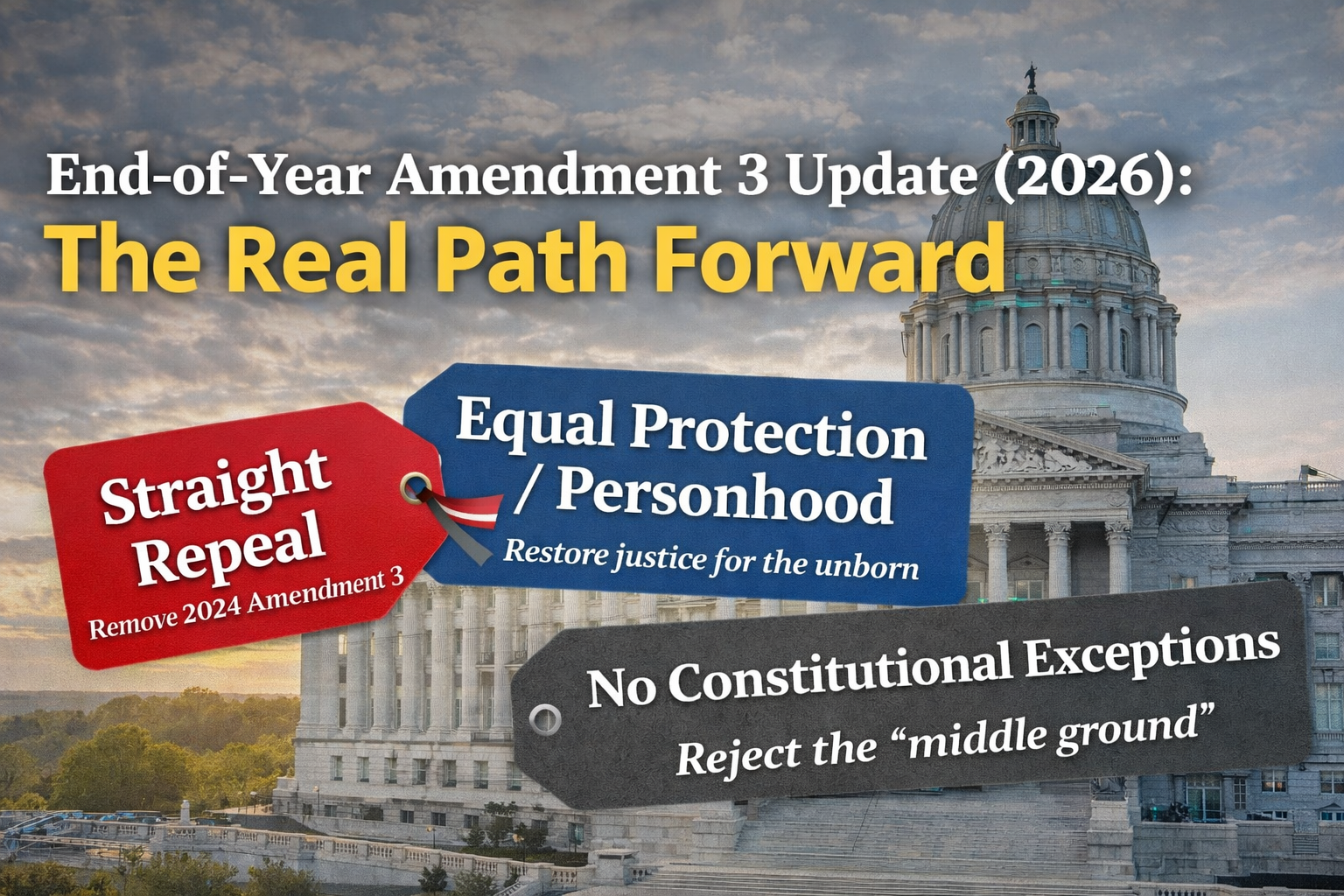
Where we stand
Our position is simple:
- Repeal the 2024 “right to abortion” language—cleanly.
- Restore equal protection for unborn children, without carving out exceptions in our Constitution.
- Refuse “middle-ground” amendments that ask Christians to vote “yes” on killing certain classes of babies.
The better plan already exists—and it’s been filed
We keep hearing: “When there’s a better plan, bring it.” The better plan has been brought. Missouri lawmakers have prefiled options that let voters either reset the Constitution back to pre-November 2024, or move Missouri toward equal protection/personhood—without forcing anyone to constitutionalize exceptions.
Option A: Straight repeal (SJR 107)
SJR 107 is the clean reset Missouri needs: repeal the 2024 abortion amendment language—without replacing it with new carve-outs in the Constitution.
Read About SJR 107 See our review of SJR 107
Option B: Equal protection / personhood (SJR 72 and HJR 109)
SJR 72 and HJR 109 are equal-protection/personhood style proposals—near-identical in purpose— aimed at restoring full protection for unborn children instead of negotiating which babies may be killed.
Why these are “better plans”
They let voters pursue what the law can do to end abortion in Missouri without asking Christians to vote for exceptions. And they don’t prevent anyone from campaigning for other approaches—meaning unity is actually possible if leadership stops blocking the alternatives.
Why we cannot support the “New Amendment 3” approach (HJR 73)
We agree Missouri must remove the 2024 abortion amendment. But HJR 73 does not merely repeal—it replaces. And it replaces with a new constitutional framework that explicitly allows abortion for certain categories.
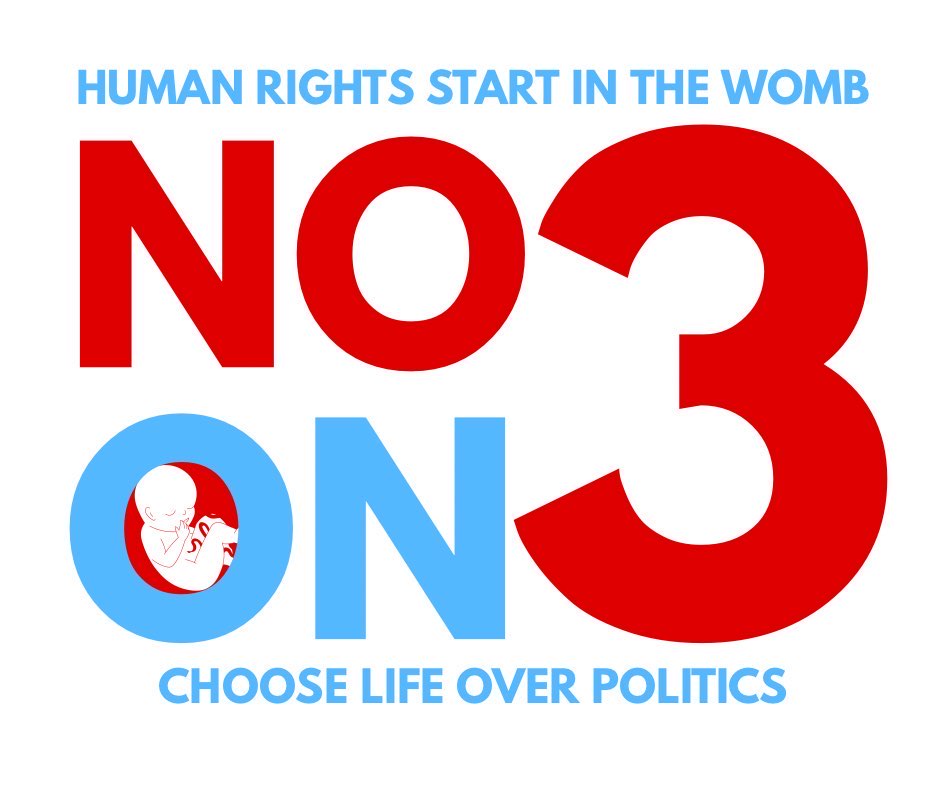
HJR 73 asks Missouri voters to affirm—inside the Constitution—that some babies may be killed:
- Rape or incest (up to 12 weeks)
- “Medical emergency”
- “Fetal anomaly”
That is not “saving most.” That is partial justice—written into the highest law of our state.
Loopholes and reality: restrictions often shift abortion, not end it
Our research shows that many abortions do not vanish under partial restrictions—they move: to neighboring states, to mail-order pills, to telemedicine, and to less visible settings. That’s why Act for Missouri built a full “impact” page and a provision-by-provision breakdown of the New Amendment 3 proposal.
The trust problem
The 2026 plan also asks voters to trust the same political ecosystem that failed to stop the 2024 amendment from landing in our Constitution. If leadership couldn’t protect the Constitution then, why should we accept a permanent constitutional compromise now?
Responding to “Vote Yes on 3” messaging (graciously, but firmly)
We honor the front lines—while refusing the false choice
We respect those who counsel mothers, fund pregnancy centers, and stand on sidewalks pleading for life. Many supporters of the 2026 amendment are sincere. But sincerity does not transform compromise into righteousness.
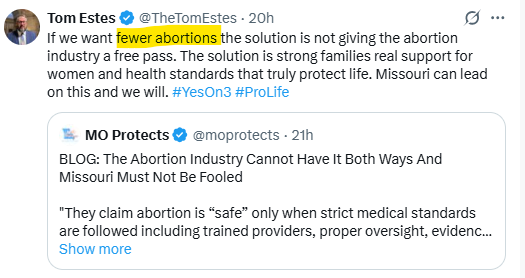
1) “Fewer abortions” is not the same as abolition
One of the clearest tells in this debate is the change in language—from “abolish abortion” to “fewer abortions.” Strong families and real help for women matter. But if abortion is the killing of an innocent human being, then the public policy goal is justice and equal protection—not managing the injustice into a smaller number.
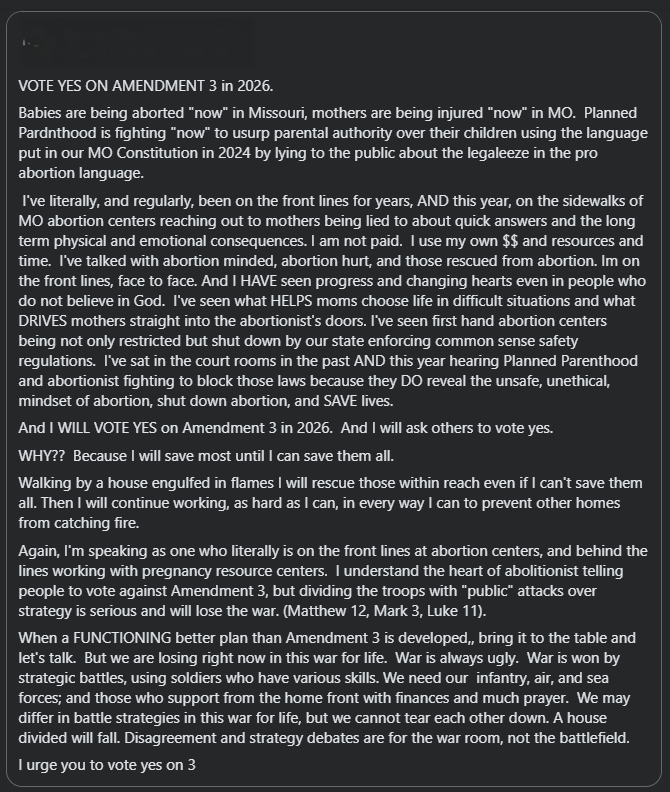
2) “Save most until I can save them all” sounds compassionate—until it becomes constitutional permission
The “burning house” analogy works for emergencies, not for writing law. In a fire, you triage what you can physically reach. In the Capitol, you write justice. A measure that officially designates which children may be killed is not “saving some”— it is authorizing partiality.
A question every Christian voter must answer
Before we talk strategy, we have to talk truth. Walk through the moral logic slowly and honestly:
-
Does human life begin at conception?
If the unborn child is a distinct, living human being from the beginning, then we are not talking about “potential life.” We are talking about a real human person at an early stage of development. -
If it is a human being, does that human being have the same God-given worth and basic rights as any born human?
Rights don’t come from age, size, dependency, health, or how someone was conceived. Human rights are human rights—full stop. -
If the intentional killing of an innocent human being is murder, does that change depending on circumstances?
Tragic circumstances can increase our compassion for the mother, but they do not erase the humanity of the child. A child conceived in rape or incest is not guilty of the father’s crime. -
So what are “exceptions” actually saying?
They are saying some unborn humans may be intentionally killed—because of the circumstances of conception or a diagnosis— while other unborn humans may not.
Now the unavoidable question:
If it is wrong to kill an innocent child conceived in rape or incest, how can it be righteous to vote “yes” to place that permission into the Missouri Constitution—no matter what strategic promises come after?
And if we find ourselves comfortable with a system where some unborn humans get protection and others can be killed, it’s worth asking whether we truly believe the unborn are fully human persons at all. Because once you admit they are people, equal justice is not an “ideal”—it’s the minimum requirement.
3) “Unity” cannot be built by forcing conscience
Yes—division weakens. But moral coercion also divides. Pro-life leadership and party strategists had to know a large number of Christian conservatives would never vote to enshrine exceptions into the Constitution. If your plan is built on crossing that moral line, the fracture was baked in from the start. Don’t blame believers for refusing to sin for political expediency.
“How to Be an Abolitionist Legislator” — what Missouri needs right now
We encourage every Missourian—especially legislators—to watch Rep. Zach Dieken’s message. It is a direct call to courage, moral clarity, and biblical justice in the face of political pressure.
Key biblical themes to watch for
- Rescue is commanded — not excused (Prov. 24:10–12).
- Open your mouth for the mute and render justice (Prov. 31:8–9).
- Partiality in justice is condemned (see also James 2).
- No “different weights” — unequal protection is an abomination (Prov. 20:23).
- We do not do evil that good may come (Rom. 3:8).
Zach Dieken, Iowa state representative, on how to be an abolitionist legislator.
Our 2026 challenge: put the real options on the ballot
If Missouri’s pro-life establishment and GOP leadership truly want to end abortion—not merely regulate it— then they should support putting these alternatives before the voters:
- Straight repeal (SJR 107) — remove the 2024 abortion amendment cleanly.
- Equal protection/personhood (SJR 72 or HJR 109) — restore full legal protection.
- If they still want HJR 73, let it stand on its own—without blocking the other two options.
Here’s the test:
If leadership fights to prevent repeal/personhood from advancing—while insisting the only “serious” choice is a compromise amendment that constitutionalizes exceptions—then they are telling Missouri what they really want: regulation, not abolition.
What you can do this week
- Call your state rep and senator: Ask them to publicly support SJR 107 and SJR 72 / HJR 109 and demand hearings.
- Share the research with your church and civic groups: act4mo.info/a3/
- Take and share the abolition quiz: act4mo.info/quiz/
“Open your mouth… judge righteously… render justice to the afflicted and needy.” — Proverbs 31:8–9
Before you vote: know what you’re being asked to put in the Missouri Constitution
Most Missourians have not read the “New Amendment 3” (2026) proposal—yet they’re being asked to vote on language that would permanently reshape the Missouri Constitution. Instead of reading the text, many people are relying on talking points and marketing from Missouri’s pro-life establishment (Missouri Right to Life, MO Protects, and others).
Our challenge to every voter:
- Don’t vote on a slogan—vote on the actual words.
- Don’t outsource your conscience to an organization—measure the proposal against truth and justice.
- If you’re going to support a constitutional amendment, you should be able to explain what it permits and what it prohibits.
We produced a full walkthrough that goes through the New Amendment 3 provision by provision, explaining what it says and why it matters. Watch it, then read the text for yourself. Agree or disagree, at least do Missouri the honor of voting informed.
Our video walkthrough of New Amendment 3 (2026). It will take through each provision and explain what it means.